Oil Flows Offer Hope
For drivers watching the price at the pump and businesses counting every delivery mile, there is an encouraging development thousands of miles away: more Middle Eastern oil is reaching the world market.
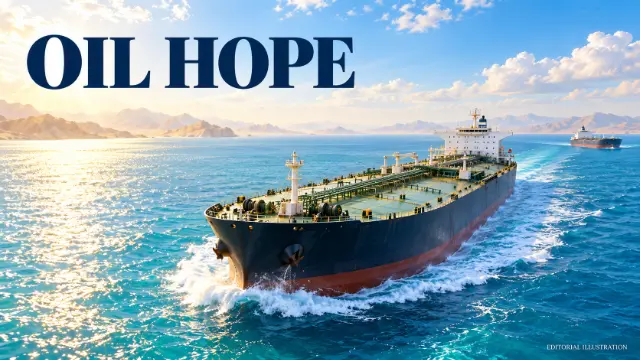
Gulf producers are moving more cargo through the Strait of Hormuz and alternative export routes, offering some relief after months of disruption during the Iran war. Shipping intelligence firm Kpler estimated regional crude exports had recovered to roughly 80% of preconflict levels. That figure includes routes bypassing Hormuz; it does not mean the strait itself has returned to normal.
The improvement helped push oil prices lower on Tuesday, September 29. November Brent crude futures traded at $104.19 a barrel during the session, down about 1% at that point. That was welcome movement for consumers, although oil remained expensive and the conflict unresolved.
Behind the recovery is a combination of military protection, shipping workarounds and restored infrastructure. The U.S. Navy and Gulf producers have become more effective at countering or evading Iranian attacks, allowing additional tankers to pass. Nevertheless, these arrangements remain vulnerable to renewed attacks.
Shuttle services and transfers between ships are helping cargoes reach buyers. Anshika Prajapati, an analyst at maritime consultancy Drewry, described the increase as “primarily a reflection of Gulf export systems gradually getting back on their feet after months of disruption.”
Another encouraging development came on Saudi Arabia’s Red Sea coast. Tanker loading resumed at Yanbu after the kingdom restarted its East-West pipeline, an important outlet that avoids Hormuz.
The pipeline had shut September 11 following drone attacks Saudi Arabia blamed on Iraqi militias. Operations resumed September 22. Recovery remained incomplete: Kpler estimated that returning to the pipeline’s preattack flow rate could still take another month.
The changes also carry diplomatic consequences. More reliable exports from neighboring producers could reduce Iran’s ability to use disrupted shipping as bargaining power. But that creates another uncertainty: Tehran could seek to restore its leverage through further military escalation, threatening the same infrastructure supporting the recovery.
For Coachella Valley households, sustained relief in crude prices would be a promising development. Crude oil is the largest component of gasoline’s retail price, according to the U.S. Energy Information Administration. Refining, distribution, taxes and local market conditions also affect the bill, so one favorable trading day cannot guarantee cheaper fill-ups.
California has additional complications, including its specialized gasoline blend and relatively isolated fuel market. Those factors can limit how closely local pump prices follow global crude prices.
There is reason for cautious optimism. More oil is getting through. The next test is whether those shipments can keep moving safely and consistently long enough for consumers to feel the benefit.








 Loading ...


