By Suzanne Potter
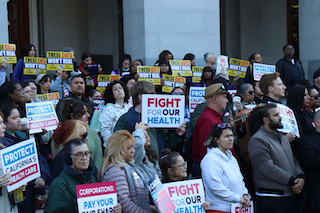
This week, dozens of health care advocates rallied in Sacramento, asking lawmakers to find ways to shield Californians from massive federal cuts to Medi-Cal.
Republicans in Congress passed a huge budget bill called House Resolution 1 last summer, which cut $1 trillion from Medicaid nationwide.
Asm. Mia Bonta, D-Oakland, is chair of the State Assembly Health Committee.
"It means over $30 billion every single year have been ripped out of the hands of Medi-Cal recipients: 3.4 million Californians," Bonta outlined.
Republicans defended the cuts as necessary to fund other administration priorities, including tax cuts and increased immigration enforcement. Gov. Gavin Newsom’s January budget proposal continues limits on Medi-Cal for undocumented people and some lawfully present immigrants while adding some additional restrictions to immigrant care. Lawmakers start negotiating the state budget next week.
Amanda McAllister-Wallner, executive director of the advocacy coalition Health Access, said lawmakers should raise revenue from big companies in order to mitigate the worst federal cuts.
"H.R.1 wasn't only a cut to health care, it was the largest redistribution of wealth in American history," McAllister-Wallner contended. "Cutting services for the most vulnerable in order to put money in the pockets of the richest Americans and most profitable corporations, many of whom live and do business right here in California."
Rachel Linn Gish, interim deputy director of Health Access, said there are things California can do to ease federal work reporting requirements and eligibility checks, calling them burdens designed to force people off of Medi-Cal. However, she added, the changes alone will not keep many Californians from falling off care.
"We are on the precipice of a huge public health crisis if our state does not take action," Gish argued. "It will be in the state budget that these decisions about whether to cut our care or protect our care are going to be made."




Comments