JTFMax OP:
Oil, War and the Price at the Pump
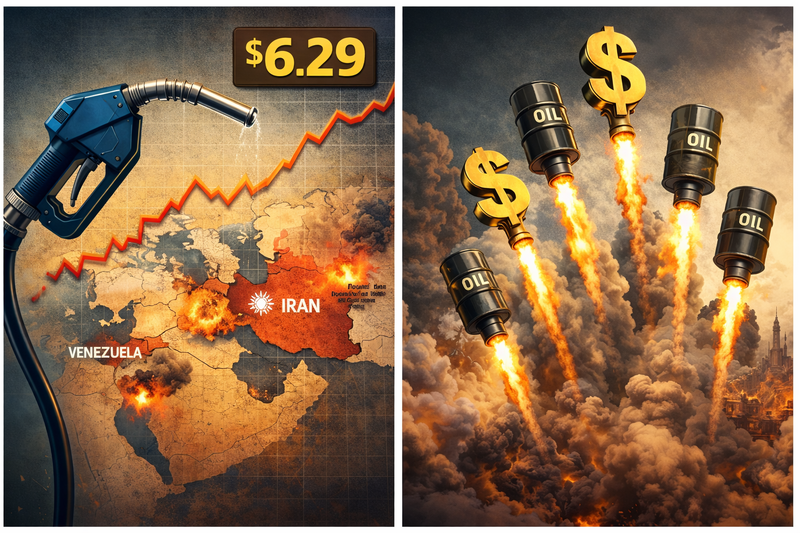
As tensions flare again in key oil-producing regions of the world, the impact is already being felt where it matters most to everyday Americans—at the gas pump. Conflicts involving Iran and instability in Venezuela have once again reminded global markets just how sensitive energy prices are to geopolitical shocks.
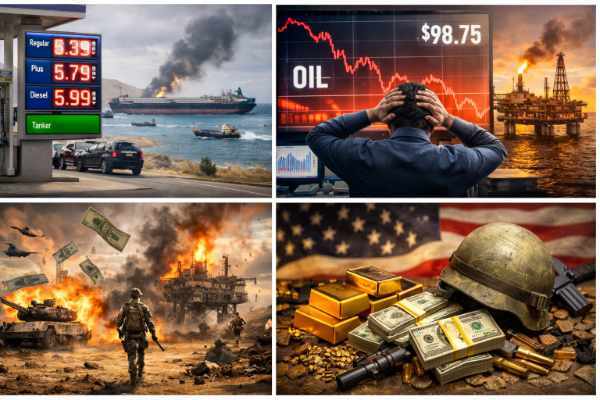
Oil traders react almost instantly when fighting threatens supply routes or production. The Middle East remains one of the most critical regions for global energy, and any threat to shipping lanes or production facilities can ripple through markets within hours. One of the most strategically important points is the Strait of Hormuz, a narrow passage through which a large share of the world’s oil shipments travels each day. When tensions escalate in that region, insurance costs for tankers rise, shipping slows, and traders bid up oil prices in anticipation of shortages.
That reaction quickly works its way into daily life. Gasoline prices begin to climb, sometimes within days. Diesel costs increase, pushing up the price of transporting goods across the country. Airlines face higher fuel bills, food distributors pay more for shipping, and eventually those costs appear on grocery shelves and airline tickets.
For regions like the Coachella Valley, where tourism and travel play a large role in the local economy, rising fuel prices can have a noticeable effect. Visitors driving into Palm Springs or flying into the region may find travel costs increasing just as quickly as gasoline prices at local stations.
At the same time, the United States remains one of the world’s largest energy producers, which cushions some of the shock compared with earlier decades. Domestic production helps stabilize supply, but global oil markets are still tightly connected. When prices rise in Europe or Asia, the U.S. market rarely remains untouched.
Energy analysts say the situation will depend largely on how long the current conflicts continue and whether shipping routes remain secure. If tensions ease, prices could stabilize quickly. If disruptions expand, however, the ripple effects could stretch far beyond the oil fields, reaching into nearly every corner of the global economy.
For now, drivers across America—and here in the desert—are once again reminded that events thousands of miles away can determine the number glowing on the pump.
 JustTheFacts Max
 -
-
Business
Iran
Venezuela
Oil Gaugeing
Strait of Hormuz
-
68 views -
0 Comments -
0 Likes -
0 Reviews
-
-
Business
Iran
Venezuela
Oil Gaugeing
Strait of Hormuz
-
68 views -
0 Comments -
0 Likes -
0 Reviews