JTFMax OP:
When the Cannons Fire, the Markets Listen
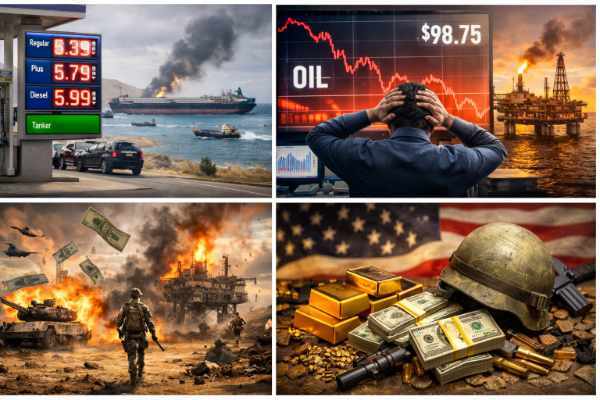
History has an uncomfortable habit of repeating one lesson: when the world falls into conflict, some people lose everything while others quietly make fortunes.
An old saying often attributed to the 19th-century banker Nathan Rothschild suggests that when “blood runs in the streets,” investors see opportunity. The phrase is stark, even unsettling, but it reflects a long-observed pattern. Major crises—especially wars—shake markets, move resources, and rearrange economic power.
Across history, wars have mobilized enormous industrial activity. Governments pour vast sums into military equipment, transportation, energy, and reconstruction. Factories run day and night, supply chains expand, and entire sectors of the economy shift toward wartime production.
The United States itself experienced this transformation during the great conflicts of the twentieth century. Industrial production surged, new technologies emerged, and the country’s economic strength grew as American factories supplied equipment not only for its own military but for allies around the world.
Yet the profits of war rarely spread evenly across society.
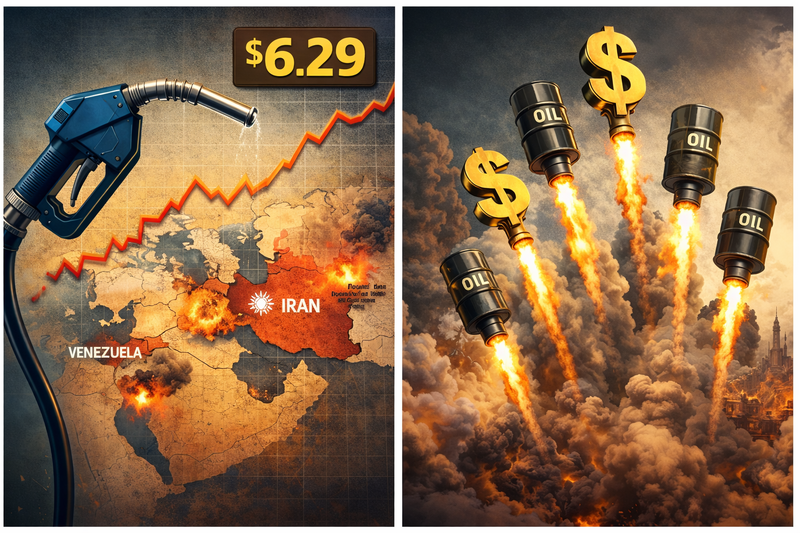
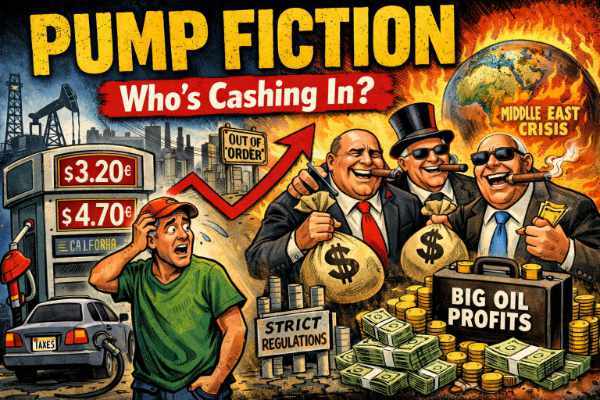
Defense contractors, commodity traders, manufacturers, and investors connected to strategic industries often benefit when governments dramatically increase spending. Energy companies can see soaring revenues when conflict disrupts global oil supplies. Financial markets move billions of dollars as investors reposition themselves in times of uncertainty.
Meanwhile, ordinary citizens face higher prices, economic anxiety, and the heavy emotional toll of conflict. And at the center of every war are the soldiers—men and women who carry the burden of service and sacrifice while others debate the economics from a distance.
Today the world is home to more than eight billion people, each with their own beliefs, ambitions, and visions of the future. That diversity can produce cooperation and progress, but it can also create friction that sometimes erupts into conflict.
The difficult truth is that war has always reshaped economies and redistributed wealth. A few industries may prosper, markets may surge, and fortunes may change hands.
But the deeper lesson of history is far more sobering: no financial gain can ever balance the human cost paid on the battlefield.
 JustTheFacts Max
 -
-
Business
19th-century banker Nathan Rothschild
“blood runs in the streets
”
-
69 views -
0 Comments -
0 Likes -
0 Reviews
-
-
Business
19th-century banker Nathan Rothschild
“blood runs in the streets
”
-
69 views -
0 Comments -
0 Likes -
0 Reviews